
Shockwave Therapy in Simpsonville, SC
Persistent pain can make everyday activities harder than they should be. Whether it hurts to walk, exercise, work, or simply move comfortably, you deserve more than another temporary fix. Shockwave therapy at Abundant Health Chiropractic offers a non-invasive approach designed to reduce pain, encourage healing, and help you return to the activities you enjoy.
A Different Approach to Stubborn Pain
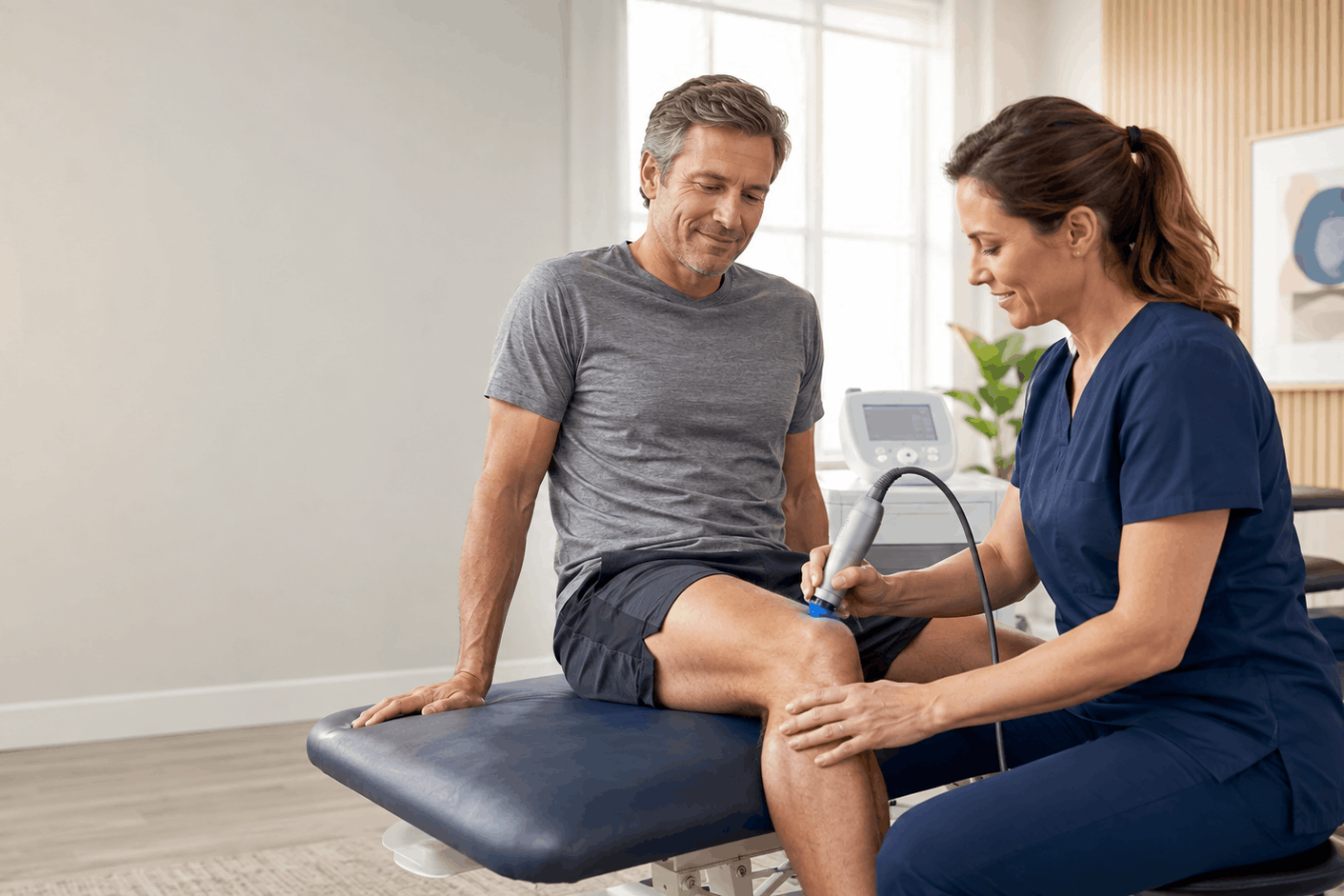
Shockwave therapy uses controlled acoustic waves directed toward painful or injured tissue. These waves are intended to stimulate circulation and support the body’s natural repair response in areas where healing may have slowed.
Treatment is focused directly on the problem area without surgery, injections, or medication. This makes shockwave therapy an appealing option for people who want to address the source of their discomfort while avoiding more invasive procedures.
Why Consider Shockwave Therapy?
People choose shockwave therapy because it may help:
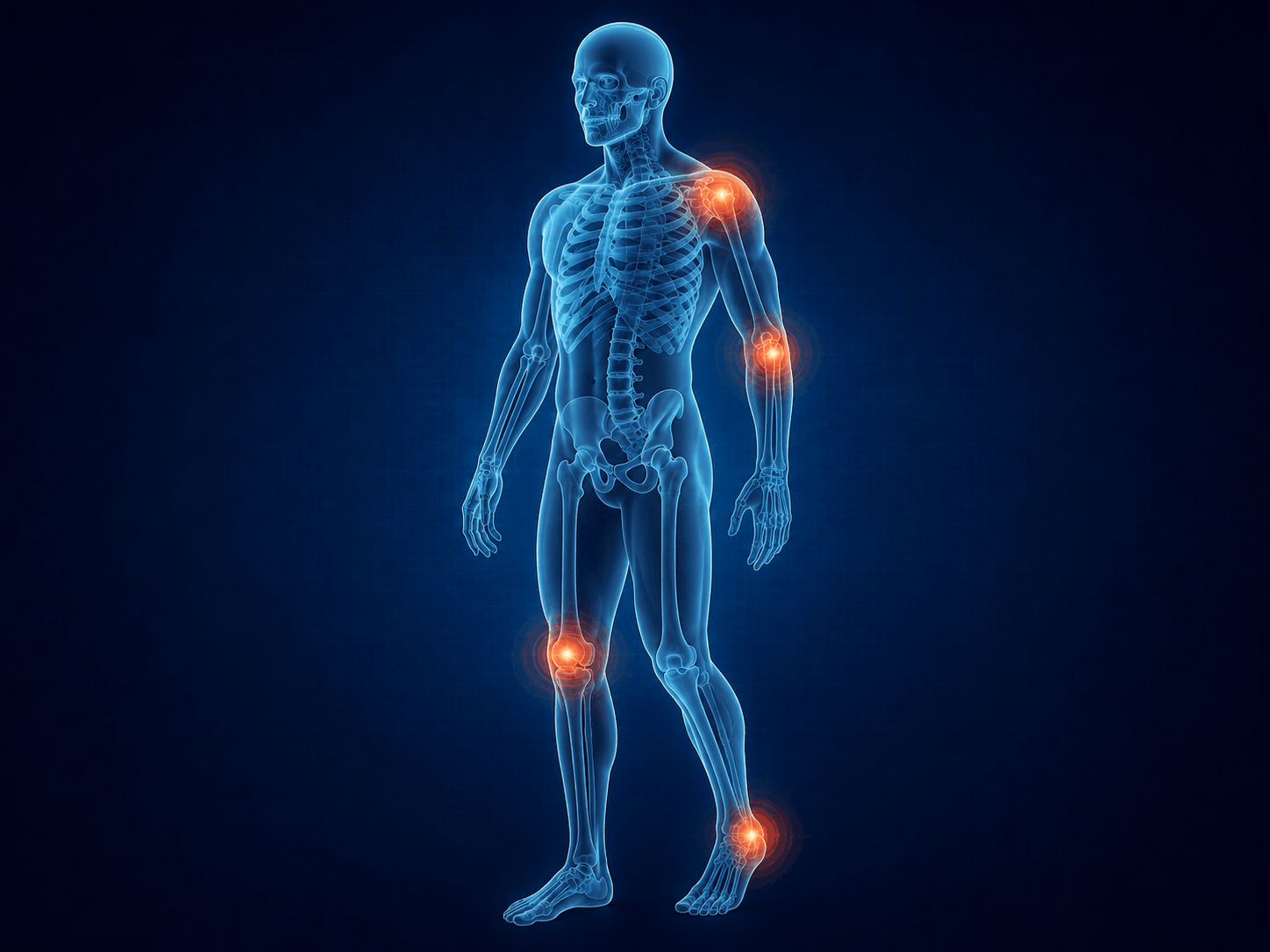
- Reduce persistent muscle, joint, and tendon pain
- Encourage the healing of damaged tissue
- Improve mobility and physical function
- Increase circulation in the treated area
- Break up areas of tight or restricted tissue
- Support a more active, comfortable lifestyle
- Address pain without surgery or injections
Instead of simply masking symptoms, shockwave therapy is designed to encourage a healing response within the affected tissue.
What Conditions Can Shockwave Therapy Help?
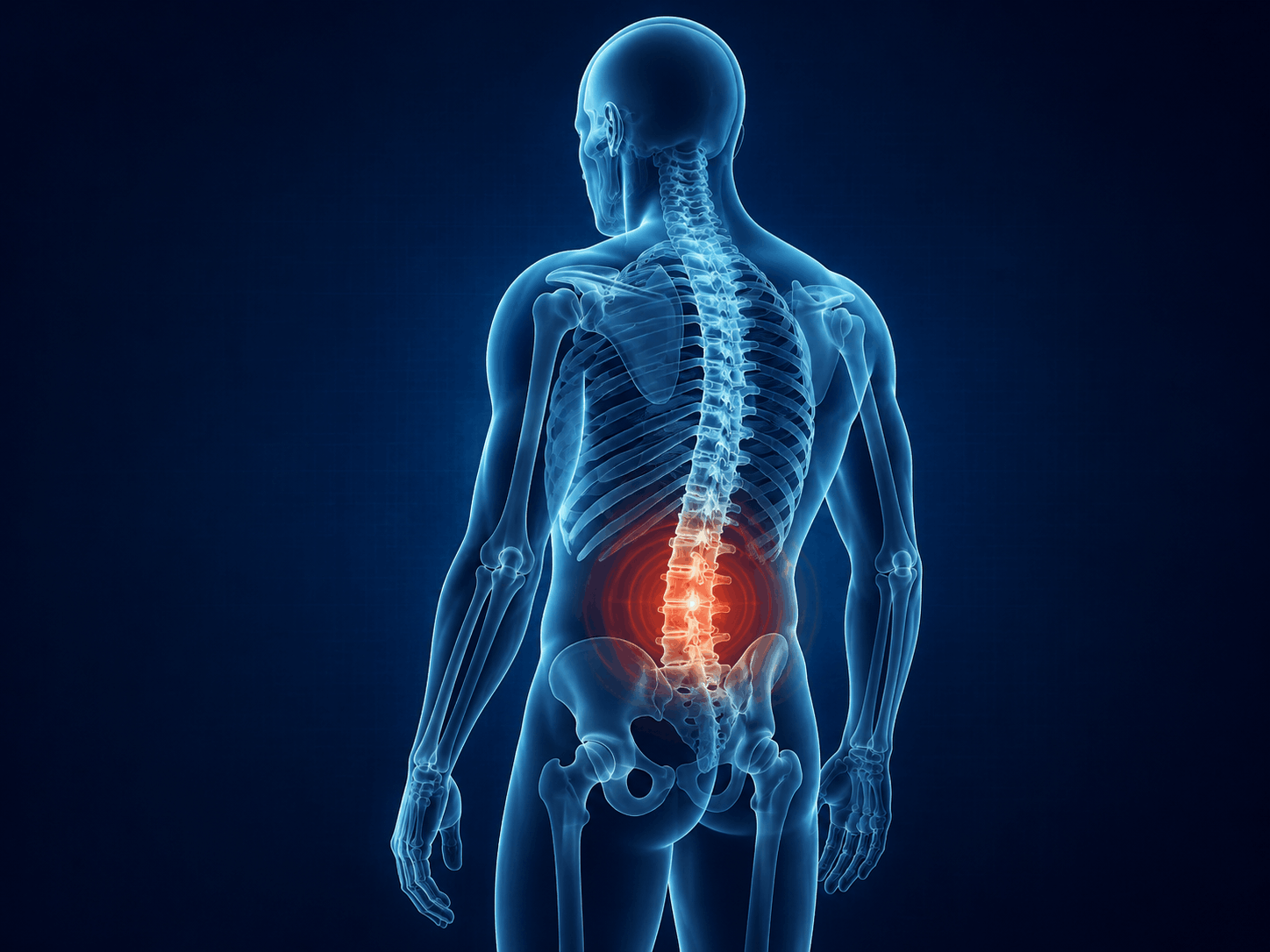
Shockwave therapy is commonly considered for stubborn musculoskeletal problems, including:
- Plantar fasciitis and heel pain
- Achilles tendon pain
- Tennis or golfer’s elbow
- Shoulder pain
- Knee and patellar tendon pain
- Hip discomfort
- Muscle and soft-tissue injuries
- Tendonitis and other overuse injuries
- Chronic pain that has not improved with rest
Because every condition is different, our team will evaluate your symptoms before recommending treatment.
Does shockwave therapy hurt?
Most people describe the treatment as a tapping, pulsing, or pressure sensation. Sensitive areas may feel uncomfortable during treatment, but the intensity can be adjusted based on your comfort.
Is Shockwave Therapy Right for You?
Shockwave therapy may be worth considering if:
- Your pain has continued despite rest or home care
- The same injury keeps returning
- Pain is limiting your work, exercise, or daily activities
- You want to explore a non-invasive treatment option
- You are looking for more than temporary symptom relief
- You want to avoid or delay more invasive procedures when appropriate
Shockwave therapy is not the right choice for every person or condition. A professional evaluation is the best way to understand your options.
How many treatments will I need?
Treatment recommendations vary according to the condition, its severity, and how your body responds. After evaluating you, our team will explain what type of treatment plan may be appropriate.
How quickly will I notice results?
Some patients notice changes sooner than others, while improvement for others develops gradually over a series of treatments. Results cannot be guaranteed and will vary from person to person.
Is there downtime after shockwave therapy?
Shockwave therapy is non-invasive, and many patients can return to most normal activities after an appointment. Your provider may recommend temporarily modifying certain activities based on the area being treated.
What to Expect During Treatment
Your visit begins with a consultation and assessment to identify the source of your pain and determine whether shockwave therapy is appropriate for you.
During treatment, a handheld device delivers acoustic waves to the targeted area. You may feel tapping or pressure as the area is treated. Some spots may feel temporarily sensitive, especially where the tissue is already irritated.
Appointments are typically brief, and treatment does not involve incisions or anesthesia. Some people experience temporary soreness afterward, similar to what they might feel following physical activity.
The number of sessions recommended will depend on your condition, how long you have experienced symptoms, and how your body responds.